
A larger model is only useful if you can use the extra storage and power. Your consumption per quarter of an hour, solar production and consumption moment are therefore the starting point. We then compare technically suitable setups at their full price.
The capacities below are nominal values. The set reserve, losses and self-consumption influence how much energy you ultimately use in the home. We install these systems professionally with a fixed, suitable connection.
Three models with a different role.
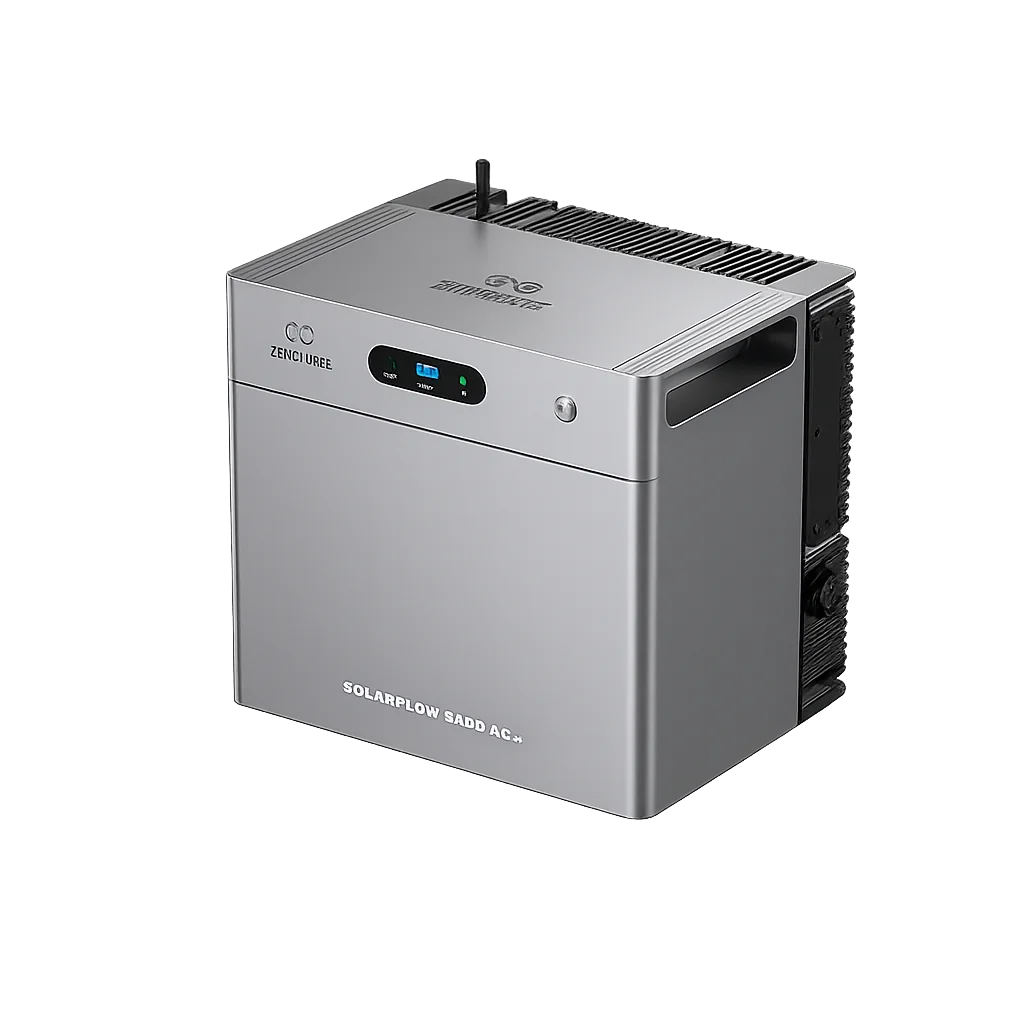
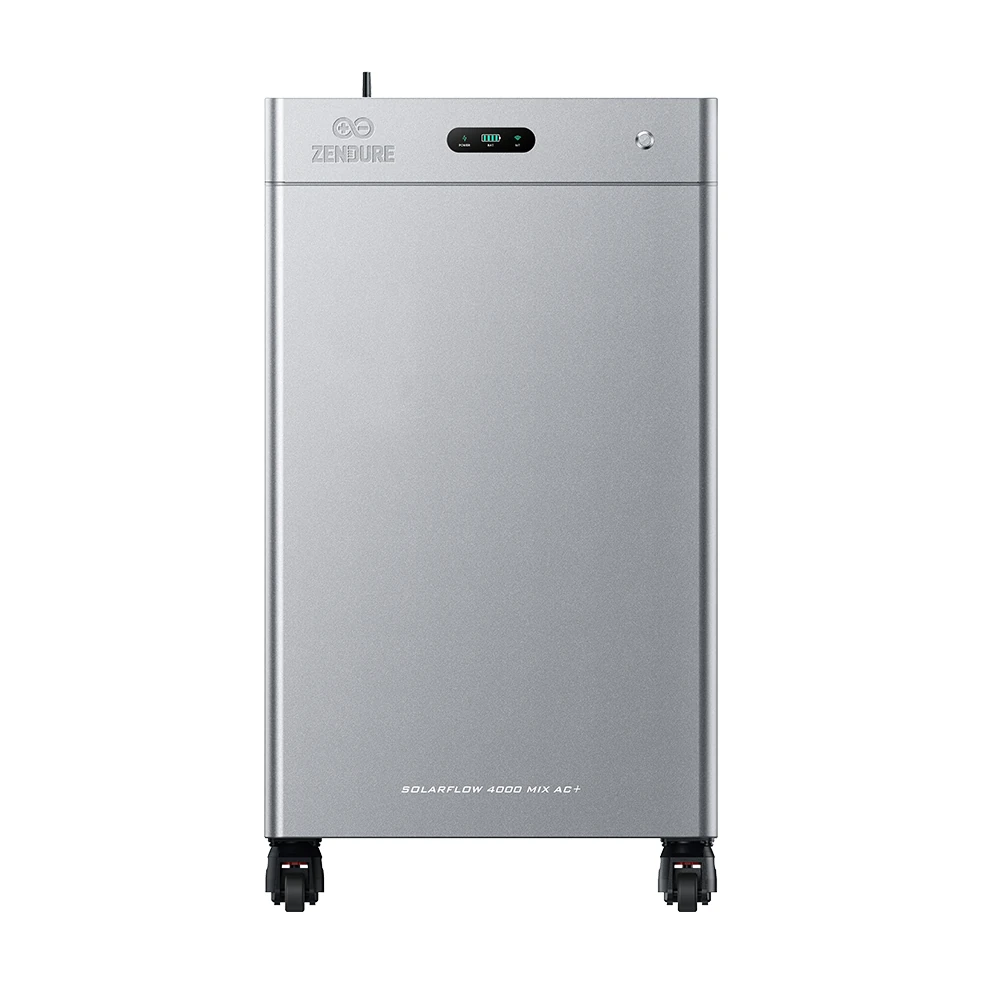
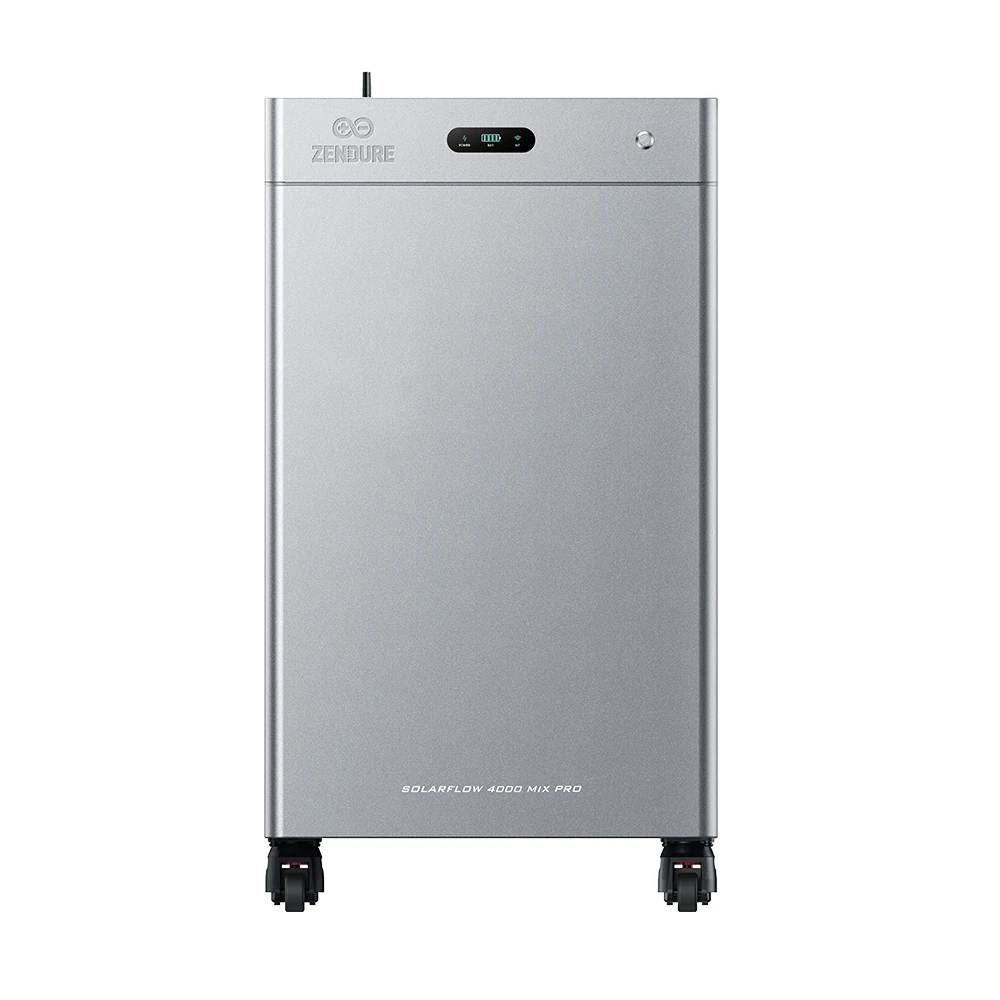
Swipe the table aside to compare the three models.
| Property | 2400 AC+ | 4000 Mix AC+ | 4000 Mix Pro |
|---|---|---|---|
| Built-in storage | 2,4 kWh | 8,04 kWh | 8,04 kWh |
| AC inverter power in grid operation | 2,4 kW | 4 kW | 4 kW |
| Available expansion modules | AB3000L: 2,88 kWh per module | None at the moment | None at the moment |
| Separate AC-PV input | No | Yes, for a suitable single-phase inverter | Yes, for a suitable single-phase inverter |
| Direct DC solar panel inputs | No | No | Two MPPTs, together maximum 8 kW DC input |
The 2400 AC+ grows with separate battery modules.
The 2400 AC+ itself contains 2,4 kWh storage. One AB3000L module turns that into 5,28 kWh; with two modules it becomes 8,16 kWh. Up to five modules, together with the built-in battery 16,8, provide kWh nominal storage per device.
These modules increase the energy supply. The own inverter power remains 2,4 kW. If you need more simultaneous power, we will look at a suitable setup with more inverter power and the distribution over your connection.
The Mix is growing with complete devices for the time being.
The 4000 Mix AC+ is a practical starting point when approximately 8 kWh storage and 4 kW power fit well. It can store available solar power via the existing electrical installation. The separate AC-PV input also offers an additional connection option for a suitable existing single-phase solar panel inverter.
There are currently no expansion batteries available for the Mix series. For approximately 16 kWh we calculate with two complete appliances, for approximately 24 kWh with three. This also increases the total inverter power to 8 and 12 kW respectively. We test this against your connection and the other inverters.
Just above 8 kWh, a second Mix is not automatically the best choice. A 2400 setup with modules can then better suit the desired storage and price. That is why we compare the entire structure and choose the Mix where it fits well.
The Pro is for directly connected solar panels.
The 4000 Mix Pro has the same built-in storage and dedicated AC inverter power as the Mix AC+. It adds two MPPT inputs for directly connected solar panels. Together these support a maximum of 8 kW DC input, within the prescribed voltage and current.
This makes the Pro an option when you want to connect new or modified solar panels directly. We check the panel and string data, electrical protection and existing installation. Having many solar panels alone is no reason to automatically choose the Pro.
According to Fluvius, a hybrid inverter counts towards generation power, even if no panels are yet connected to it. This distinction can determine the choice between AC+ and Pro in an existing single-phase PV installation.
The connection and energy regulations are part of the proposal.
The number of kWh alone tells too little. We check the grid type, existing inverters, available power and distribution over the phases. kWp of solar panels does not in itself confirm a three-phase grid connection.
We tailor charging and discharging to your home using suitable measurements and the set energy strategy. A charging station and battery do not automatically react with the same priorities: we also agree on what reserve you want to keep for the home and when your car should be charged.
All three models can also be used for charging at dynamic rates. In our simulator you choose whether you want to take it with you or just store your solar power. Dynamic grid charging does not require a Pro model and is also possible without solar panels. We check your contract, tariff details and consumption before we record the settings; a saving is not guaranteed.
The regular grid-connected installation does not include automatic emergency power for the fixed circuits in your home. We assess the separate emergency power output and any more extensive backup solution separately.
Short answer
Frequently asked questions
Do you always choose the 4000 Mix AC+?
The 4000 Mix AC+ is our starting point for 8 kWh when it suits your needs and connection. The 2400 AC+ remains useful for smaller amounts of storage and intermediate capacities. The simulator provides advice and also lets you choose a model yourself. We always compare the required storage, the power and the full installation price; your connection and solar panels will then be checked.
Can I connect a AB3000L to a 4000 Mix?
No. The AB3000L belongs to the SolarFlow 2400 AC+ and 2400 Pro. No expansion batteries are currently available for the Mix models. We therefore calculate approximately 16 kWh with two complete Mix appliances; the connection and the combined inverter capacity are checked.
Does the Mix Pro 8 deliver kW to my home?
Its two MPPT inputs together support up to 8 kW DC input from suitable solar panels. The own AC inverter power remains 4 kW. The panel configuration, home demand, available storage space and individual power limits determine how much solar energy can be used or stored at that time.
Does more than 5 kWp solar panels prove that I am connected to three phase?
No. kWp describes the peak power of the solar panels. The AC power of the inverter and your actual grid connection are different data. An installation with more than 5 kWp panels may have a smaller inverter. We therefore check the connection and existing inverters before determining the final number of battery devices.
Sources